
Despite the name, most of the tennis elbow I see in clinic has nothing to do with tennis.
Tradespeople with repetitive gripping and lifting, and office workers with keyboard-heavy days, make up more of my tennis elbow caseload than racket-sport players. Here's what's actually going on, and what a course of physiotherapy for it involves.
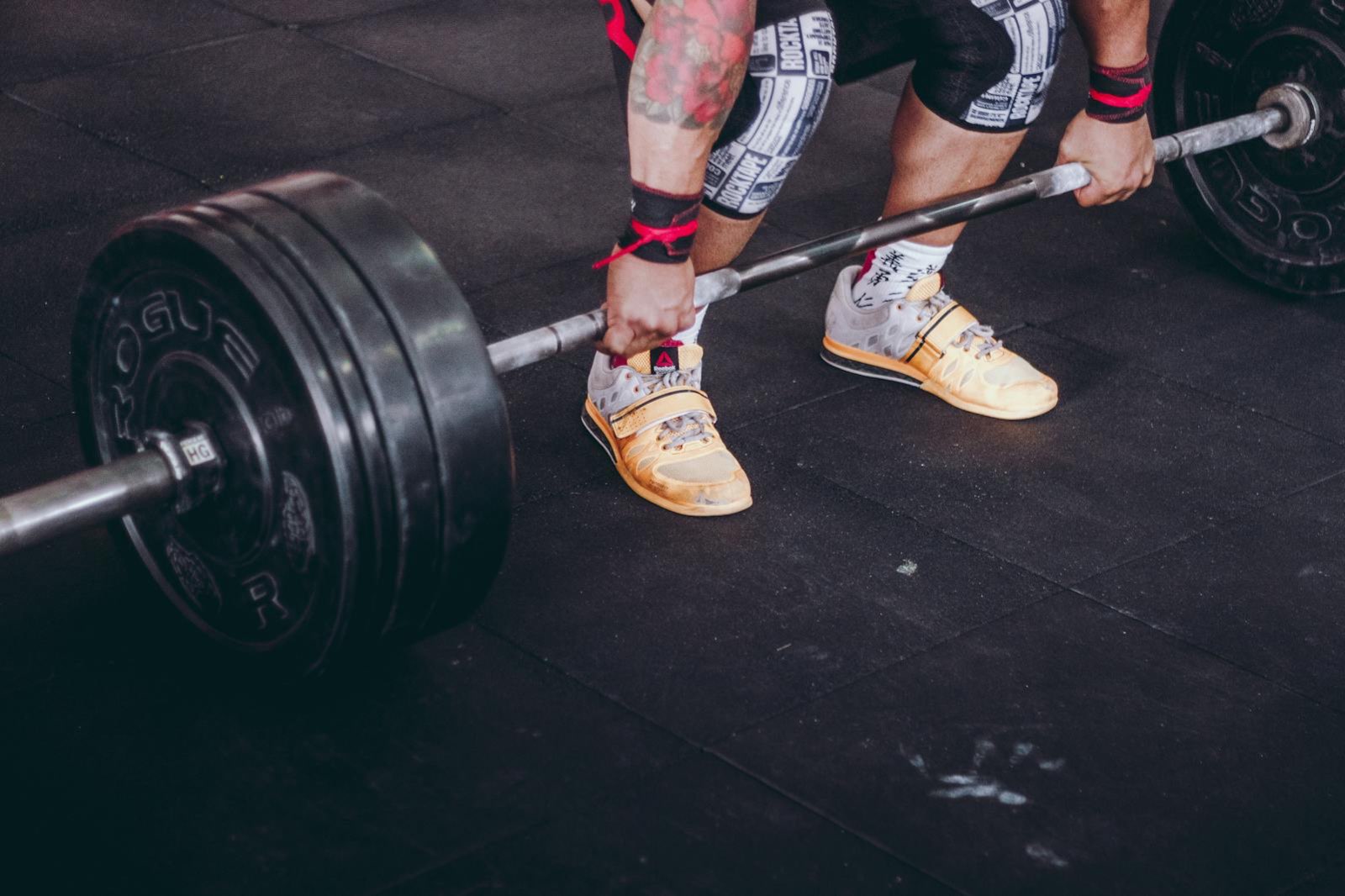
Tennis elbow, or lateral epicondylalgia, is pain and tenderness on the outside of the elbow, caused by overload of the tendons controlling wrist and finger extension. Any repeated gripping or wrist-extension load, sustained over weeks or months, is enough to bring it on: manual trades, keyboard-heavy office work, DIY projects, and yes, racket sports.
The first job is confirming the diagnosis and ruling out referred pain from the neck, which can mimic tennis elbow but needs a different treatment approach. We'll also look at grip strength, tendon irritability, and the specific tasks or movements that provoke your pain, so the plan is built around your actual triggers.
Progressive loading exercise is the evidence-based core of treatment: a structured programme of tendon-loading exercises that starts gently and builds resistance over weeks. You'll get a home-exercise programme between sessions, since consistent loading between visits matters more than the time spent in clinic. A realistic course runs several weeks; tendons adapt slowly, and rushing the loading progression tends to set recovery back rather than speed it up.
For some people, tightness through the forearm and upper arm is part of what's keeping the tendon irritated. Where that's the case, we may add clinical massage alongside the loading programme rather than treating the elbow in isolation. For longer-standing cases that haven't responded to loading alone, shockwave therapy is sometimes discussed as a further option, always alongside the exercise programme rather than instead of it.
The goal is activity modification rather than complete rest. Reducing the grip-heavy tasks that provoke your pain while keeping the rest of your arm moving normally, and avoiding a sudden return to full activity once pain settles, both help keep progress on track between sessions.
Tennis elbow is a tendon problem, and tendons are a particular focus in this clinic. Alex, PhysioHub's founder and a HCPC-registered physiotherapist, treats it in Uckfield in racket-sport players, in tradespeople and cleaners whose grip is loaded all day, in gym-goers after heavy pulling work, and in laptop and mouse users who never played a racket sport in their lives. His musculoskeletal experience across the NHS and private practice, plus his own strength-sport training, informs how the tendon's capacity is measured and rebuilt.
The usual history is a long one. Months of a brace or strap, rest that helped until the first heavy day back, anti-inflammatory gels, and a grip that still fails on a kettle or a door handle. Your first appointment is a 60-minute assessment: a full history, resisted and palpation testing to confirm the tendon, grip strength measurement, a screen of the neck and nerve to rule out referred pain, and a clear explanation. Treatment starts on the day and you leave with a graded loading plan.
What clients get back is grip they can trust: carrying shopping, lifting a full kettle, working a full shift with tools, and returning to racket sport or the gym without the elbow deciding when to stop. Grip strength is re-measured through the course, so improvement is something you can see rather than guess at.
You can access this through our musculoskeletal pain and injuries service for the diagnosis and hands-on treatment, our gym-based 1:1 rehab and strength training sessions for the loading programme, and, for stubborn cases that have not responded to a proper loading programme, our shockwave therapy service, which is used for tennis elbow alongside continued rehab. Our tendinopathy page explains the loading approach, or book an assessment to have your elbow's capacity measured.
Tennis elbow responds well to a structured, progressive loading programme in the large majority of cases; it just takes consistency and a few weeks of patience. If it's not settling on its own, an assessment is the best place to start. If you're specifically trying to get back onto the court rather than just pain-free day-to-day, see returning to sport after injury for how that last stage is judged.
PhysioHub – Empowerment through Evidence-Based Education.
Every body is different. Book a thorough assessment and get advice that is specific to you and your goals.
Book an Appointment