
Osteoarthritis is common with age, but it does not have to limit your life. Exercise and strength work are proven to reduce pain and improve function.
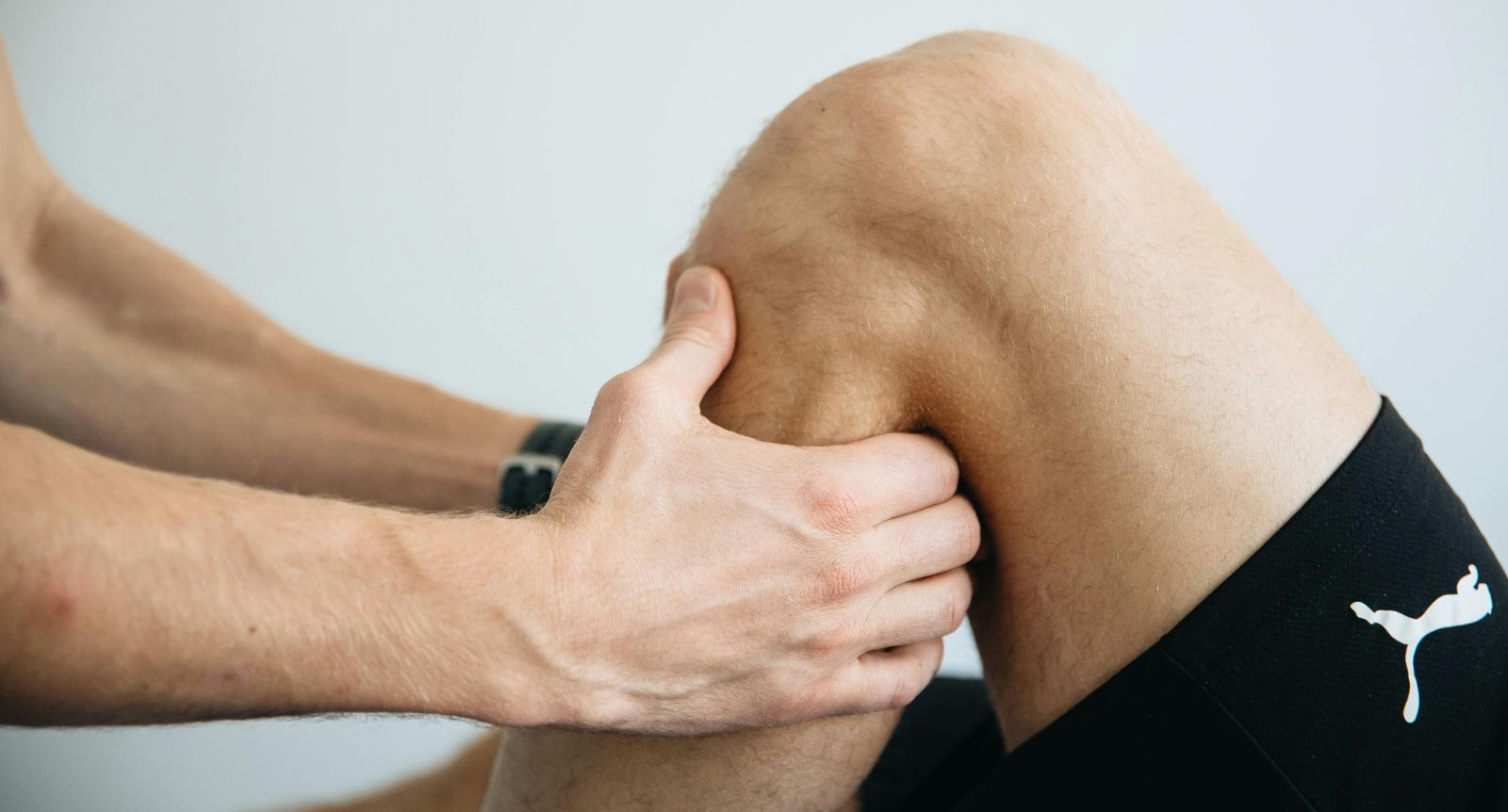
Osteoarthritis (OA) involves changes to the cartilage and structures of a joint, most often the knees, hips and hands. Importantly, the amount of change seen on a scan often does not match how much pain a person has.
OA is not a reason to stop moving. Appropriate loading actually helps keep the joint healthy and the surrounding muscles strong.
Common symptoms:
NICE recommends exercise and strengthening as core treatment for osteoarthritis, and it is one of the few things shown to reduce pain and improve function over time.
We build a manageable strengthening and activity programme tailored to your joint and goals, give you strategies to manage flare-ups, and support you to stay active and independent. Where surgery such as a joint replacement is on the horizon, we can prepare you for it.
Osteoarthritis responds well to the right kind of exercise. Here is the path we follow to reduce your pain and keep you active and independent.
We confirm the diagnosis, understand how your osteoarthritis affects your daily activities and goals, and reassure you about what the changes in the joint do and do not mean.
Early on we give you strategies to manage pain and flare-ups, and help you keep moving, because appropriate activity keeps the joint healthy.
We build a manageable strengthening programme for the muscles around the joint, which is one of the few treatments shown to reduce pain and improve function over time.
You leave with a self-management plan to stay active and independent, and if a joint replacement is ever on the horizon, we can prepare you for it.
Not sure whether physiotherapy is right for your osteoarthritis? Book a free discovery call and we will talk through your symptoms and help you find out if we are the right fit, with no obligation.
Book a Free Discovery CallOsteoarthritis is the most common form of arthritis, involving changes to a joint's cartilage and bone. It is more than simple wear and tear, and joints often respond well to exercise.
No. Appropriate exercise does not wear joints out, and NICE recommends it as a core treatment for osteoarthritis (NG226).
Many people manage well for years without surgery. Exercise, weight management and physiotherapy are first-line, and a replacement is considered when symptoms are severe and quality of life is significantly affected.
Symptoms naturally fluctuate. Activity levels, sleep and load have a much greater influence on how your joint feels than the amount of change seen on any scan.
For weight-bearing joints such as the knees and hips, reducing load can meaningfully ease symptoms, and we can guide safe, gradual activity to help.
Yes. Strengthening, movement and education are among the most effective treatments available for osteoarthritis.
No. Osteoarthritis affects the joints, whereas osteoporosis is a reduction in bone density. They are separate conditions with different treatments.
Book a thorough assessment in Uckfield and we’ll explain what’s going on and build a plan to get you moving again.
Book an Assessment