
If you've ever wondered what a physiotherapist does, you're not alone. Many people still think physiotherapy is just massage, stretching, or being told to rest and wait.
The reality is very different.
Physiotherapy is a healthcare profession focused on movement, function, and long-term recovery. It looks at why pain or injury develops and how to restore function in a way that lasts rather than only temporarily.
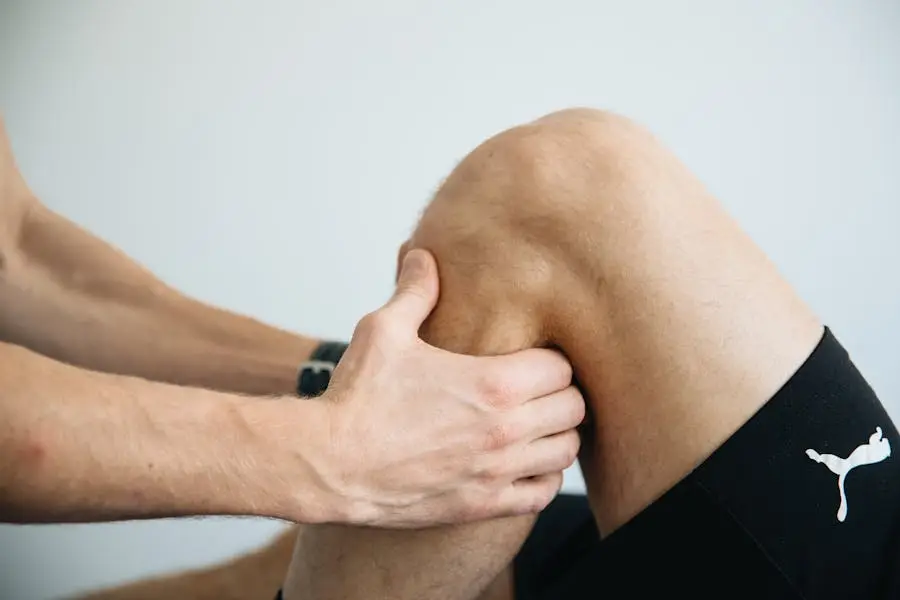
Physiotherapy is a healthcare profession that focuses on movement, physical function, and quality of life. A physiotherapist helps people recover from injury or surgery, manage acute and persistent pain, improve strength and mobility, regain confidence in movement, and return to work, sport, or daily activities safely.
In the UK, physiotherapists are university trained, HCPC registered, and regulated healthcare professionals. This means they can assess, diagnose, and treat independently, often without a GP referral.
Physiotherapy is for anyone whose movement or function is affected. This includes people with back or neck pain, shoulder, hip or knee problems, tendon pain, sports injuries, post-operative needs, persistent pain, or reduced mobility and confidence.
A physiotherapy assessment involves a detailed discussion about symptoms, lifestyle, work demands, and goals. Many diagnoses can be made clinically through this process. A physical assessment may include movement, strength, and functional testing. For a fuller walkthrough of what to expect, see what happens at your first physiotherapy appointment.
Treatment may include exercise-based rehabilitation, strength training, movement retraining, load management, advice, and where appropriate, hands-on techniques. This can include soft tissue work such as clinical massage, joint mobilisation, and manual therapy, used alongside active rehab rather than instead of it. Long-term improvement comes from active rehabilitation.
In most cases, no. You can self-refer to NHS services or book privately.
PhysioHub is run by Alex, its founder and a HCPC-registered physiotherapist with a BSc in Physiotherapy and experience across both the NHS and private practice. He specialises in musculoskeletal physiotherapy in Uckfield: back, neck and joint pain, sports injuries, post-operative recovery, and long-standing pain, alongside work with runners, strength athletes and active people who want to move better. A lifetime in sport, from track and field to international canoe sprint and now powerlifting, shapes how he builds a plan around what you actually need to get back to.
Most people book after putting it off. They have waited for it to settle, taken painkillers, searched their symptoms, and lost weeks of training, work comfort or sleep in the process. Your first appointment is a 60-minute initial assessment: a full history and physical examination, a clear diagnosis explained in plain language, treatment started on the day, and a personalised rehab plan you take home. Follow-ups review progress, progress the plan, and add hands-on treatment where it helps.
What clients get is a specific answer and a route out: understanding what is wrong, seeing early change within the first few sessions, and being discharged able to manage it themselves rather than depending on appointments. Whether that means climbing stairs comfortably, returning to a sport, or sleeping through the night, the plan is built around that goal.
You can access this through our musculoskeletal pain and injuries service, our sports injuries and performance service, our gym-based 1:1 rehab and strength training sessions, our pre and post-surgical rehabilitation service, our shockwave therapy service for stubborn tendon and heel pain, and our neurological rehabilitation service. No referral is needed, home visits can be arranged on request, and most major private health insurers are accepted. Book an assessment whenever you are ready to start.
Physiotherapy is about understanding your body, restoring movement, and returning you safely to what matters most.
PhysioHub – Empowerment through Evidence-Based Education.
Every body is different. Book a thorough assessment and get advice that is specific to you and your goals.
Book an Appointment